Produk menentang Penuaan : Anew Reversalist : Campaign 9 2013
Anew Reversalist adalah produk yang menentang tanda-tanda penuaan di wajah anda. Ia boleh didapati dalam 3 jenis produk iaitu :-
1) Renewal Serum 30 ml - RM 89.90
2) Renewal Day Cream SPF 25 UVA/UVB 15g - RM 39.90
3) Renewal Night Cream 15g - RM 39.90
Sebanyak 88% wanita bersetuju, kulit mereka kelihatan lebih muda secara dramatik selepas menggunakan produk ini secara berterusan.
Hanya dalam 2 minggu sahaja, anda akan merasakan perubahan yang ketara terhadap kedutan di wajah anda. Malahan kulit juga akan kelihatan lebih anjal daripada sebelumnya.
Produk ini menggiatkan semula kulit untuk memperbaiki kedutan. Teknologi ACTIVINOL yang terdapat di dalam produk ini mampu mengaktifkan semula pembaikan kulit serta mengurangkan penampilan kedutan yang terdapat di wajah pengguna. Ternyata berkesan dan terbukti hebat. Harga yang dipromosikan juga adalah MAMPU MILIK oleh semua peminat-peminat dan pengguna AVON. Dapatkannya sekarang sementara Kempen masih lagi berlangsung.
Terus setia melayari laman web avonmudah.blogspot.com untuk MELIHAT, MEMILIH & MEMBELI produk Avon yang diimpikan anda selama ini. Kami di AVON MUDAH menyediakan kemudahan kepada anda untuk menempah barangan AVON jika anda tidak berkesempatan untuk membelinya di BUTIK AVON atas sebab-sebab yang tertentu. Kami sedia membantu anda. =)
Benefits of KiwiFruit : Avon Hair Care ( Campaign 9 2013 )
Almost all kiwifruit in commerce belong to a few cultivars of Fuzzy Kiwi (A. deliciosa): 'Hayward', 'Blake', and 'Saanichton 12'. They have a fuzzy, dull brown skin, and bright green flesh. The familiar cultivar 'Hayward' was developed by Hayward Wright in Avondale, New Zealand around 1924. It was initially grown in domestic gardens, but commercial planting began in the 1940s.
Hayward is the most commonly available cultivar in stores. It is a large-egg shaped fruit with a sweet flavor. Saanichton 12, from British Columbia, is somewhat more rectangular than Hayward and comparably sweet, but the inner core of the fruit can be tough. Blake has a smaller more oval fruit, and the flavor is considered inferior. The most common male pollenizer for these varietals is the Chico.
The golden kiwi (A. chinensis) has a smooth bronze skin, with a beak shape at the stem attachment. Flesh color varies from bright green to a clear, intense yellow. This species is sweeter and more aromatic in flavor, the flavor reminiscent of some subtropical fruit. Its short storage life currently limits its commercial potential. One of the most attractive varieties has a red 'iris' around the center of the fruit and yellow flesh outside. The yellow fruit fetches a higher market price and, being less hairy than the fuzzy kiwi, is more palatable for fresh consumption.
A commercially viable variety of this red ringed kiwi has been patented as the EnzaRed™, and is a cultivar of the Chinese "hong yang" variety.
Hort16A, marketed as Zespri® Gold, is a golden kiwifruit now marketed worldwide in increasing volumes.
kiwifruit is rich in the protein-dissolving enzyme actinidain (in the same family of thiol proteases as papain), which is commercially useful as a meat tenderizer. Actinidain also makes raw kiwifruit unsuitable for use in desserts containing milk or any other dairy products which are not going to be served within hours, because the enzyme soon begins to digest milk proteins. This applies to gelatin-based desserts as well, as the actinidain will dissolve the collagen proteins in gelatin very quickly, either liquifying the dessert, or preventing it from solidifying.
To overcome this effect, the United States Department of Agriculture suggests cooking the fruit for a few minutes before adding it to gelatin. Sliced kiwifruit has long been regularly used as a garnish atop whipped cream on the common New Zealand and Australian dessert, the pavlova. It can also be used in a variety of other savoury and sweet dishes.
The actinidain found in kiwifruit can be an allergen for some individuals. Specifically, people allergic to latex, bananas, papayas, or pineapples are likely to also be allergic to kiwifruit. The fruit also contains calcium oxalate crystals in the form of raphides. Reactions to these chemicals include sweating, tingling and sore mouth or throat; swelling of the lips, tongue and face; rash; vomiting and abdominal pain, heartburn; and, in the most severe cases, breathing difficulties, wheezing and collapse. The most common symptoms are unpleasant itching and soreness of the mouth, with the most common severe symptom being wheezing. Severe symptoms are most likely to occur in young children.
Kiwifruit is a rich source of vitamin C (1.5 times the United States DRI per 100 grams) and vitamin K, and a good source of dietary fiber and vitamin E. The fruit and skin contain flavonoids, actinidain, and adhered pollen, which may produce irritation in the mouth and throat of some allergic individuals.
Kiwifruit seed oil contains on average 62% alpha-linolenic acid, an omega-3 fatty acid. Usually a medium size kiwifruit provides about 46 calories, 0.3 g fat, 1 g protein, 11 g carbohydrates, and 2.6 g dietary fiber found partly in the edible skin. Kiwifruit is often reported to have mild laxative effects, due to its significant levels of dietary fiber.
Kiwifruit contains carotenoids, such as provitamin A beta-carotene, lutein and zeaxanthin.
Kiwifruit components, possibly involving vitamin E and omega-3 fatty acids from its numerous edible seeds, have potential properties of a natural blood thinner. A study performed at the University of Oslo in Norway reported that consuming two to three kiwifruit daily for 28 days significantly reduced platelet aggregation and blood triglyceride levels (similar to popular mainstream aspirin therapy), potentially reducing the risk of blood clots.
Serlahkan Diri~Mu
Ingin menghadiri Parti? Kenduri kahwin? Majlis makan malam? Hendak melaram ke tempat kerja? Hendak menarik hati pemuda idaman anda? Atau Bos kesayangan anda? Hahaha... Usah risau lagi.. Avon mampu menyelesaikan masalah yang sedang melanda diri anda. Serlahkan keyakinan diri anda dengan pelbagai barangan make-up khasnya daripada Jenama Avon.

Terdapat pelbagai jenis Lipstic antaranya ExtraLasting Beauty Lipstic, Simply Pretty Shiny & Sheer Lipstic, Colorbliss Sparkles Lipstic ataupun Ultra Color Rich Lipstick dengan beraneka jenis warna yang mampu menyerlahkan lagi bibir anda. Untuk menambahkan lagi pesona anda, anda bolehlah menggunakan Smooth Minerals Lipstick dan digabungkan bersama Smooth Minerals Lip Gloss untuk menyerlahkan lagi bibir anda agar kelihatan menggoda.
Untuk penjagaan kelembapan bibir atau ingin kelihatan lebih natural,
anda bolehlah menggunakan Dew Kiss Lip Tint daripada Simply Pretty.
Selain melembapkan, ia juga mampu melembutkan bibir anda. Ia sesuai untuk mereka yang selalu bekerja di tempat yang mempunyai air-conditioner.
"Sexynya bibir gadis itu. Bagaimana boleh jadi macam tu ye?" Hm, begini caranya.. Untuk menampakkan bibir anda agar lebih tebal, anda bolehlah menggunakan Lip Defining Pencil daripada Simply Pretty dan menggarisnya mengikut garis bibir anda agar bibir anda lebih terserlah dan kelihatan sangat menggoda. Terdapat dua pilihan warna yang boleh dipilih agar bersesuaian dengan kehendak anda.Setialah bersama Avon, anda pasti berpuas hati menggunakan produknya. Jika anda ingin mudah untuk membeli barangan Avon, AVON MUDAH adalah platform yang sesuai untuk anda membeli secara online. Terima kasih kerana sudi melayari laman web AVON MUDAH. Teruskan melayari laman web kami kerana terdapat pelbagai info yang sangat menarik yang boleh anda terokai.
================================================================
Benefits of Marula : Avon Skin So Soft ( Campaign 9 2013 )
Sclerocarya birrea, the marula, is a medium-sized dioecious tree, indigenous to the miombo woodlands of Southern Africa, the Sudano-Sahelian range of West Africa, and Madagascar. The tree is a single stemmed tree with a wide spreading crown. It is characterised by a grey mottled bark. The tree grows up to 18 m tall mostly in low altitudes and open woodlands.
The fruits are used in the liqueur Amarula. The distribution of this species throughout Africa and Madagascar has followed the Bantu in their migrations, as it has been an important item in their diet since time immemorial.
The fruits which ripen between December and March have a light yellow skin, with white flesh, rich in vitamin C – about 8 times the amount found in an orange – are succulent, tart with a strong and distinctive flavour.
Inside is a walnut-sized, thick-walled stone. These stones, when dry, expose the seeds by shedding 2 (sometimes 3) small circular plugs at one end. The seeds have a delicate nutty flavour and are much sought after, especially by small rodents who know to gnaw exactly where the plugs are located.
While little known globally, the fruit is traditionally used for food in Africa, and has considerable socioeconomic importance.
The seed kernels are high in protein and fat, with a subtle nutty flavour, and constitute an important emergency food. Marula oil, made from the seed kernel, is a delicious additive to meals in Africa. It contains antioxidants and oleic acid. The bark is used both as treatment and a prophylaxis for malaria.
An infusion of the inner bark of the marula tree may be applied to scorpion stings and snake bites to alleviate pain. The leaves are chewed on to help indigestion and to treat heartburn.
Marula oil, made from the seed kernel, can be used as a type of skin care oil. Products of fruits and the tree are useful in crafts and agriculture. Gums exudates from the stem are mixed with water and soot to make ink by certain tribes in the region. The bark also yields a red-brown dye used in colouring traditional craft ware. The fruit infusion is used to bathe tick-infested livestock. The fruit is regarded as a potent insecticide.
Marula oil contains a large proportion of monounsaturated fatty acids and natural antioxidants which make the oil very stable. The fatty acid composition of marula oil includes
The Tsonga people of South Africa and Mozambique have used the oil as a moisturising body lotion for women and also as a massage oil for babies. In the past, women used Marula oil rather than water to clean themselves.
Marula oil forms also an important part of people's diets, especially for people of the Inhambane Province in Mozambique, Owambo in north central Namibia, Northern KwaZulu-Natal in South Africa and the Zvishavane district of Zimbabwe. Furthermore, marula plays an important role in the diet of Bushmen and Bantu tribes.
The Venda utilise the oil from the kernels to preserve meat, which enables it to last up to a year. Today, Marula oil is still considered a delicacy by local people, and is added to a wide variety of traditional and modern recipes.
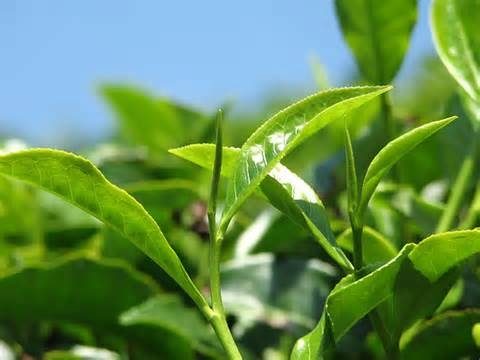
Benefits of Green Tea : Avon Naturals Hand & Body Lotion / Shower Gel ( Campaign 9 2013 )
Green tea is made from the leaves from Camellia sinensis that have undergone minimal oxidation during processing. Green tea originates in China, but it has become associated with many cultures throughout Asia. Green tea has recently become more widespread in the West, where black tea
has been the traditionally consumed tea.
Green tea has become the raw material for extracts which are used in various beverages, health foods, dietary supplements, and cosmetic items. Many varieties of green tea have been created in the countries where it is grown. These varieties can differ substantially due to variable growing conditions, horticulture, production processing, and harvesting time.
Over the last few decades green tea has been subjected to many scientific and medical studies to determine the extent of its long-purported health benefits, with some evidence suggesting that regular green tea drinkers may have a lower risk of developing heart disease and certain types of cancer. Although green tea does not raise the metabolic rate enough to produce immediate weight loss, a green tea extract containing polyphenols and caffeine has been shown to induce thermogenesis and stimulate fat oxidation, boosting the metabolic rate 4% without increasing the heart rate.
The mean content of flavonoids in a cup of green tea is higher than that in the same volume of other food and drink items that are traditionally considered of health contributing nature, including fresh fruits, vegetable juices or wine. Flavonoids are a group of phytochemicals present in most plant products that are responsible for health effects such as anti-oxidative and anticarcinogenic functions. However, the content of flavonoids may vary dramatically amongst different tea products.
Steeping is the process of making a cup of tea; it is also referred to as brewing. In general, two grams of tea per 100 ml of water, or about one teaspoon of green tea per five ounce cup, should be used. With very high-quality teas like gyokuro, more than this amount of leaf is used, and the leaf is steeped multiple times for short durations.
Green tea steeping time and temperature varies with different tea. The hottest steeping temperatures are 81 to 87 °C (178 to 189 °F) water and the longest steeping times two to three minutes. The coolest brewing temperatures are 61 to 69 °C (142 to 156 °F) and the shortest times about 30 seconds. In general, lower-quality green teas are steeped hotter and longer, while higher-quality teas are steeped cooler and shorter.
Steeping green tea too hot or too long will result in a bitter, astringent brew, regardless of the initial quality. It is thought that excessively hot water results in tannin chemical release, which is especially problematic in green teas, as they have higher contents of these. High-quality green teas can be and usually are steeped multiple times; two or three steepings is typical.
The steeping technique also plays a very important role in avoiding the tea developing an overcooked taste. The container in which the tea is steeped or teapot should also be warmed beforehand so that the tea does not immediately cool down. It is common practice for tea leaf to be left in the cup or pot and for hot water to be added as the tea is drunk until the flavor degrades.
Green tea contains a variety of enzymes, amino acids, carbohydrates, lipids, sterols, polyphenols, carotenoids, tocopherols, vitamins, caffeine and related compounds, phytochemicals and dietary minerals. Numerous claims have been made for the health benefits of green tea based on chemical composition, in vitro and animal studies, though results in humans have been inconsistent and few clear benefits for humans have been demonstrated. There is also evidence suggesting consuming large volumes of green tea, and in particularly green tea extracts, may cause oxidative stress and liver toxicity.
A 2012 systematic review concluded the evidence that green tea can prevent cancer "is inadequate and inconclusive" but with some evidence for a reduction in certain types of cancer (breast, prostate, ovarian and endometrial). Green tea may lower blood low-density lipoprotein and total cholesterol levels, though the studies were of short duration and it is not known if these effects result in fewer deaths and evidence does not support green tea reducing coronary artery disease risk.
Several randomized controlled trials suggest green tea can reduce body fat by a small amount for a short time, though it is not certain if the reduction would be meaningful for most people. One study has found that green tea may actually damage DNA. Green tea is forbidden for people with Multiple Myeloma(MM) if they use the drug Bortezomib (Velcade)or similar.
Green tea has become the raw material for extracts which are used in various beverages, health foods, dietary supplements, and cosmetic items. Many varieties of green tea have been created in the countries where it is grown. These varieties can differ substantially due to variable growing conditions, horticulture, production processing, and harvesting time.
Over the last few decades green tea has been subjected to many scientific and medical studies to determine the extent of its long-purported health benefits, with some evidence suggesting that regular green tea drinkers may have a lower risk of developing heart disease and certain types of cancer. Although green tea does not raise the metabolic rate enough to produce immediate weight loss, a green tea extract containing polyphenols and caffeine has been shown to induce thermogenesis and stimulate fat oxidation, boosting the metabolic rate 4% without increasing the heart rate.
The mean content of flavonoids in a cup of green tea is higher than that in the same volume of other food and drink items that are traditionally considered of health contributing nature, including fresh fruits, vegetable juices or wine. Flavonoids are a group of phytochemicals present in most plant products that are responsible for health effects such as anti-oxidative and anticarcinogenic functions. However, the content of flavonoids may vary dramatically amongst different tea products.
Steeping is the process of making a cup of tea; it is also referred to as brewing. In general, two grams of tea per 100 ml of water, or about one teaspoon of green tea per five ounce cup, should be used. With very high-quality teas like gyokuro, more than this amount of leaf is used, and the leaf is steeped multiple times for short durations.
Green tea steeping time and temperature varies with different tea. The hottest steeping temperatures are 81 to 87 °C (178 to 189 °F) water and the longest steeping times two to three minutes. The coolest brewing temperatures are 61 to 69 °C (142 to 156 °F) and the shortest times about 30 seconds. In general, lower-quality green teas are steeped hotter and longer, while higher-quality teas are steeped cooler and shorter.
Steeping green tea too hot or too long will result in a bitter, astringent brew, regardless of the initial quality. It is thought that excessively hot water results in tannin chemical release, which is especially problematic in green teas, as they have higher contents of these. High-quality green teas can be and usually are steeped multiple times; two or three steepings is typical.
The steeping technique also plays a very important role in avoiding the tea developing an overcooked taste. The container in which the tea is steeped or teapot should also be warmed beforehand so that the tea does not immediately cool down. It is common practice for tea leaf to be left in the cup or pot and for hot water to be added as the tea is drunk until the flavor degrades.
Green tea contains a variety of enzymes, amino acids, carbohydrates, lipids, sterols, polyphenols, carotenoids, tocopherols, vitamins, caffeine and related compounds, phytochemicals and dietary minerals. Numerous claims have been made for the health benefits of green tea based on chemical composition, in vitro and animal studies, though results in humans have been inconsistent and few clear benefits for humans have been demonstrated. There is also evidence suggesting consuming large volumes of green tea, and in particularly green tea extracts, may cause oxidative stress and liver toxicity.
A 2012 systematic review concluded the evidence that green tea can prevent cancer "is inadequate and inconclusive" but with some evidence for a reduction in certain types of cancer (breast, prostate, ovarian and endometrial). Green tea may lower blood low-density lipoprotein and total cholesterol levels, though the studies were of short duration and it is not known if these effects result in fewer deaths and evidence does not support green tea reducing coronary artery disease risk.
Several randomized controlled trials suggest green tea can reduce body fat by a small amount for a short time, though it is not certain if the reduction would be meaningful for most people. One study has found that green tea may actually damage DNA. Green tea is forbidden for people with Multiple Myeloma(MM) if they use the drug Bortezomib (Velcade)or similar.
Benefits of Jasmine : Avon Naturals Hand & Body Lotion / Shower Gel ( Campaign 9 2013 )
Jasmine (taxonomic name Jasminum is a genus of shrubs and vines in the olive family (Oleaceae). It contains around 200 species native to tropical and warm temperate regions of the Old World. Jasmines are widely cultivated for the characteristic fragrance of their flowers.
Jasmines can be either deciduous (leaves falling in autumn) or evergreen (green all year round), and can be erect, spreading, or climbing shrubs and vines. Their leaves are borne opposite or alternate. They can be simple, trifoliate, or pinnate. The flowers are typically around 2.5 cm (0.98 in) in diameter. They are white or yellow in color, although in rare instances they can be slightly reddish.
The flowers are borne in cymose clusters with a minimum of three flowers, though they can also be solitary on the ends of branchlets. Each flower has about four to nine petals, two locules, and one to four ovules. They have two stamens with very short filaments. The bracts are linear or ovate. The calyx is bell-shaped. They are usually very fragrant. The fruits of jasmines are berries that turn black when ripe.
The basic chromosome number of the genus is 13, and most species are diploid (2n=26). However, natural polyploidy exists, particularly in Jasminum sambac (2n=39), Jasminum flexile (2n=52), Jasminum primulinum (2n=39), and Jasminum angustifolium (2n=52).
Jasmines are native to tropical and subtropical regions of Asia, Africa, and Australasia. Of the 200 species, only one is native to Europe. Their center of diversity is in South Asia and Southeast Asia.
Although not native to Europe, a number of jasmine species have become naturalized in Mediterranean Europe. For example, the so-called Spanish jasmine or Catalonian jasmine (Jasminum grandiflorum) was originally from Iran and western South Asia, and is now naturalized in the Iberian peninsula.
Jasminum fluminense (which is sometimes known by the inaccurate name "Brazilian Jasmine") and Jasminum dichotomum (Gold Coast Jasmine) are invasive species in Hawaii and Florida. Jasminum polyanthum, also known as White Jasmine, is an invasive weed in Australia.
Widely cultivated for its flowers, jasmine is enjoyed in the garden, as a house plant, and as cut flowers. The flowers are worn by women in their hair in southern and southeast Asia. The delicate jasmine flower opens only at night and may be plucked in the morning when the tiny petals are tightly closed, then stored in a cool place until night.
The petals begin to open between six and eight in the evening, as the temperature lowers.
Jasmine tea is consumed in China, where it is called jasmine-flower tea (茉莉花茶; pinyin: mò lì huā chá). Jasminum sambac flowers are also used to make jasmine tea, which often has a base of green tea, but sometimes an Oolong base is used.
lowers and tea are "mated" in machines that control temperature and humidity. It takes four hours or so for the tea to absorb the fragrance and flavour of the jasmine blossoms, and for the highest grades, this process may be repeated as many as seven times. Because the tea has absorbed moisture from the flowers, it must be refired to prevent spoilage.
The spent flowers may or may not be removed from the final product, as the flowers are completely dry and contain no aroma. Giant fans are used to blow away and remove the petals from the denser tea leaves. If present, they simply add visual appeal and are no indication of the quality of the tea.
In Okinawa, Japan, jasmine tea is known as sanpin cha.
Jasmine is considered an absolute and not an essential oil as the petals of the flower are much too delicate and would be destroyed by the distillation process used in creating essential oils. Other than the processing method it is essentially the same as an essential oil. Absolute is a technical term used to denote the process of extraction. It is in common use.
Its flowers are either extracted by the labour-intensive method of enfleurage or through chemical extraction. It is expensive due to the large number of flowers needed to produce a small amount of oil. The flowers have to be gathered at night because the odour of jasmine is more powerful after dark.
The flowers are laid out on cotton cloths soaked in olive oil for several days and then extracted leaving the true jasmine essence. Some of the countries producing jasmine essential oil are India, Egypt, China and Morocco.
Benefits of Hibiscus : Avon Naturals Hand & Body Lotion / Shower Gel ( Campaign 9 2013 )
Hibiscus is the name given to more than 250 species of herbs, shrubs, and trees of the mallow or Malvaceae family. The most commonly used species of hibiscus for medicinal purposes are Hibiscus sabdariffa, commonly known as the roselle; Hibiscus rosa-sinensis, also called China rose and common hibiscus; and Hibiscus syriacus, known as the Rose of Sharon. These three shrubs are native to tropical climates, but are now grown around the world. Hibiscus is renowned for its beauty as well as its medicinal uses, and gardeners cultivate the plant for its showy flowers.
General use
Hibiscus is used for a variety of ailments partly because there are so many species. Roselle lowers fevers and high blood pressure, increases urination, relieves coughs, and has been found to have antibacterial properties. All parts of the plant are used, from the seeds to the roots. Common hibiscus is used mainly for respiratory problems, but is also widely used for skin disorders or to treat fevers. Rose of Sharon is used externally as an emollient, but is also taken internally for gastrointestinal disorders.Fever
As a natural febrifuge, roselle contains citric acid, which is a natural coolant. In Pakistan and Nepal, it is the flowers that are used as a treatment for fever . Common hibiscus has been found to be particularly useful for children's fevers.Respiratory disorders
Common hibiscus is used to treat coughs by placing extracts from the plant in the patient's bath or in water used for steam inhalations. Hibiscus is often combined with other herbs to make a cough syrup. Hibiscus is used widely in Cuba, where the tropical climate contributes to respiratory illnesses, and where hibiscus is readily found.Hypertensive conditions
Roselle and rose of Sharon contain hypotensive compounds that lower the blood pressure. Roselle's ability to lower blood pressure may be due to its diuretic and laxative effects. The plant contains ascorbic and glycolic acids, which increase urination.Skin conditions
Hibiscus is a natural emollient, used for softening or healing the skin. The leaves and flowers of the roselle are used all around the world for their emollient qualities. When the leaves are heated, they can be placed on cracked feet or on boils and ulcers to promote healing. Since the herb is a cooling herb, when applied externally it cools the surface of the skin by increasing blood flow to the epidermis and dilating the pores of the skin. A lotion made from a decoction of hibiscus leaves can be used to soothe hemorrhoids, sunburn , open sores, and wounds .Other conditions
Hibiscus has been credited with a wide range of healing properties. In Colombia, the plant is used to treat hair loss and scurvy; in Samoa, it is commonly given to women who are suffering from menstrual cramps or who are in childbirth , as the leaves ease labor pains. In the Cook Islands and the Philippines, the flowers are used to induce abortions. In a 1962 study, hibiscus was confirmed to be hypotensive, as well as antispasmodic, anthelminthic, and antibacterial. In subsequent studies, the plant was found to effectively work against such diseases as ascariasis and tuberculosis . Studies in France, Malaysia, and Egypt have found that the plant has anticarcinogenic effects.Preparations
A decoction of hibuscus can be made by pouring 1 cup of boiling water over 2 tsp of dried blossoms or 1 tsp of crumbled blossom. Steep for 10 minutes. In addition, many commercial herbal teas contain hibiscus.Precautions
Since there are over 250 species of hibiscus, it is essential to identify the species of the herb before taking it. Since some species of hibiscus are used as abortifacients, the plant should not be used by women who are pregnant or nursing.Side effects
Some drinks made from roselle can have alcoholic effects. The plant can also be mildly hallucinogenic.Interactions
There are no known interactions between hibiscus and standard pharmaceutical preparations. Because it is a tart plant, however, it may not mix harmoniously with other tannic herbs. Mint leaves or rose hips are good to blend with hibiscus.
Subscribe to:
Posts (Atom)